
AMD Takes on NVIDIA With Powerful New Helios AI Servers
As the race to dominate artificial intelligence infrastructure accelerates, AMD has officially unveiled its next-generation Helios AI server platform, marking one of the company’s biggest moves yet against NVIDIA’s dominance in the AI hardware market.
The announcement was made during AMD’s Advancing AI event in San Francisco, where CEO Lisa Su confirmed that the Helios platform has entered full production and is expected to begin shipping before the end of the third quarter of 2026. The launch also includes AMD’s latest Instinct MI455X AI accelerators and sixth-generation EPYC “Venice” processors, both designed to power large-scale AI workloads. According to Reuters, OpenAI plans to deploy the Helios platform at massive scale later this year, making it one of AMD’s most significant AI infrastructure customers. :contentReference[oaicite:0]{index=0}
For businesses, developers, and AI startups, the announcement represents more than just new hardware. It signals that competition in AI computing is expanding beyond software models and into the infrastructure powering the next generation of artificial intelligence.
AMD Unveils Helios to Compete With NVIDIA

AMD introduced Helios as its first rack-scale AI server platform built specifically for modern AI training and inference workloads. Rather than focusing only on individual AI chips, the company is now offering an integrated infrastructure solution that combines GPUs, CPUs, networking, and software into a single platform.
Helios is powered by AMD’s new Instinct MI455X AI accelerators alongside the sixth-generation EPYC “Venice” processors manufactured by Taiwan Semiconductor Manufacturing Co. (TSMC). The platform is designed to support increasingly demanding AI models while improving efficiency for enterprise deployments. :contentReference[oaicite:1]{index=1}
The launch reflects a major strategic shift within the semiconductor industry. Instead of competing solely on GPU performance, companies are now racing to deliver complete AI systems capable of powering hyperscale data centers and enterprise AI applications.
OpenAI Backs AMD’s New AI Infrastructure

One of the biggest announcements from AMD’s event was OpenAI’s commitment to deploy Helios at large scale.
According to Reuters, OpenAI plans to roll out the new platform beginning later in 2026 and also intends to adopt AMD’s upcoming MI500 AI chips in future deployments. This represents another step in the growing relationship between the two companies as OpenAI continues expanding the infrastructure required to support ChatGPT and future AI models. :contentReference[oaicite:2]{index=2}
The partnership also highlights how demand for AI computing continues to rise across the industry. Training and running increasingly advanced AI models requires enormous computing resources, making infrastructure providers like AMD and NVIDIA critical players in the broader AI ecosystem.
Businesses building AI-powered applications should pay close attention to these developments, as increased competition between hardware vendors could eventually lead to better performance, lower infrastructure costs, and more deployment options for enterprise customers.
Why This Launch Matters for the AI Industry
The introduction of the Helios platform reflects a broader shift in the artificial intelligence industry. AI companies are no longer competing only by developing larger language models—they are also racing to build the infrastructure capable of training and deploying those models at scale.
Over the past two years, demand for AI computing has surged as enterprises increasingly adopt generative AI for customer service, software development, content creation, data analysis, and business automation. This rapid growth has placed enormous pressure on data center operators to secure enough high-performance hardware.
AMD’s Helios platform is designed to address that demand by offering a complete AI infrastructure solution rather than individual components. By combining powerful AI accelerators, next-generation EPYC processors, advanced networking, and an optimized software ecosystem, AMD aims to provide enterprises with an alternative to NVIDIA’s AI systems.
According to Reuters, AMD also introduced its latest Instinct MI455X accelerators during the event and confirmed that the upcoming MI500 series is already in development, demonstrating the company’s long-term strategy to compete aggressively in the AI infrastructure market.
AMD vs. NVIDIA: The Battle for AI Infrastructure
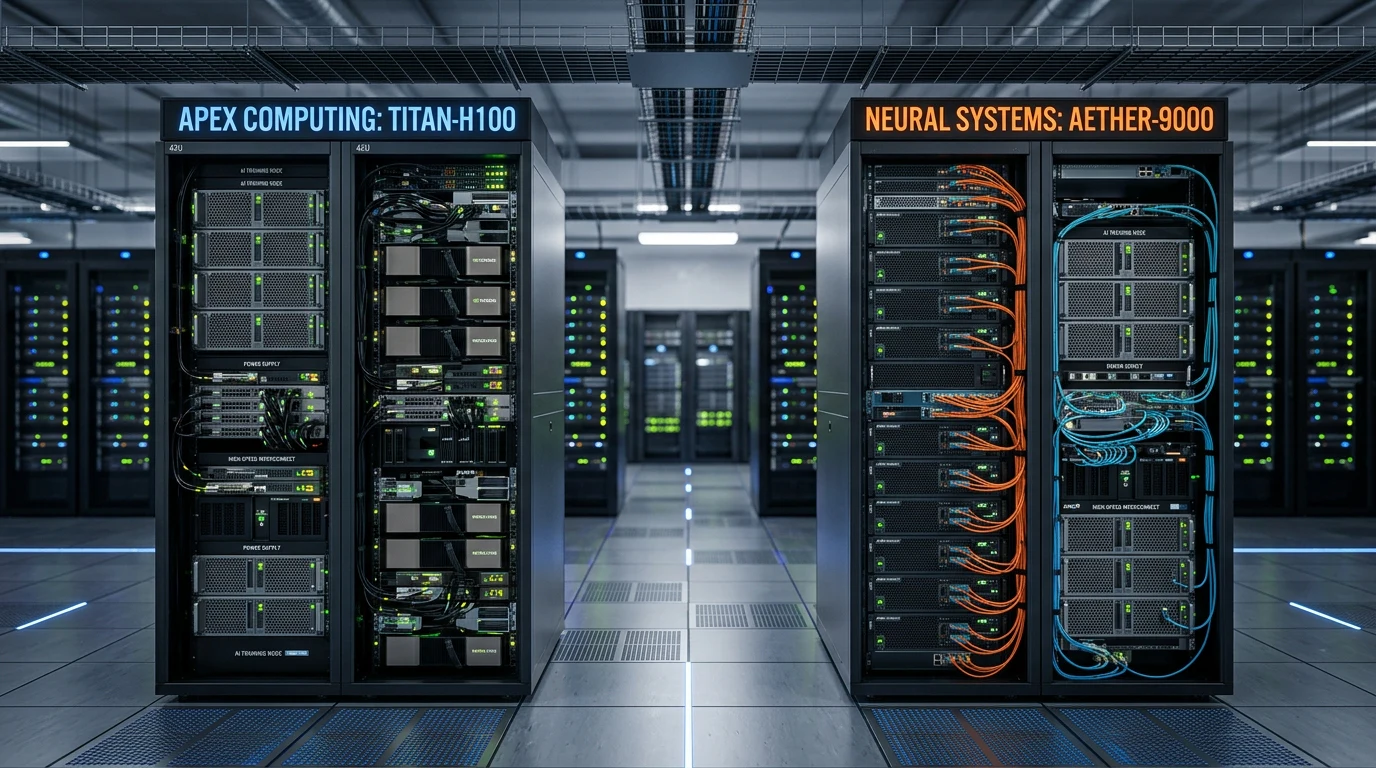
For years, NVIDIA has dominated the AI accelerator market, becoming the preferred supplier for many of the world’s largest technology companies. Its GPUs power everything from cloud AI services to advanced research laboratories.
However, AMD is steadily positioning itself as a serious challenger by expanding beyond standalone chips into complete rack-scale AI systems.
Rather than competing only on raw GPU performance, AMD is focusing on providing an integrated platform that can simplify deployment for cloud providers, enterprises, and AI developers.
The company’s strategy also reflects a growing trend across the semiconductor industry. Customers increasingly want complete AI infrastructure solutions that combine hardware and software into unified systems capable of supporting large-scale AI workloads.
As more organizations invest in generative AI, competition between AMD and NVIDIA is expected to accelerate, potentially giving customers more options and driving innovation across the market.
What This Means for Businesses and Developers
For businesses adopting artificial intelligence, AMD’s latest announcement could have long-term implications.
Greater competition in AI infrastructure may eventually improve hardware availability, increase performance, and create more competitive pricing for enterprise AI deployments.
Developers building AI applications may also benefit from a broader ecosystem of supported hardware platforms, reducing dependence on a single supplier.
If your business is exploring AI opportunities, now is also a good time to learn about practical applications beyond infrastructure. You can also read our guides on Best AI Tools for Beginners in 2026: Free & Paid Tools to Make Money Online, Best AI Side Hustles in 2026: 15 Real Ways to Make Money with AI, Best AI Freelancing Guide for Beginners in 2026, and AI Affiliate Marketing in 2026, which explain how individuals and businesses can generate value from the rapidly growing AI ecosystem.
Conclusion

AMD’s launch of the Helios AI server platform represents one of the company’s most significant moves yet in the battle for AI infrastructure leadership.
With OpenAI planning to deploy the platform at scale and AMD continuing to invest in next-generation AI accelerators, the competitive landscape is becoming increasingly dynamic.
While NVIDIA remains the market leader, AMD’s latest strategy demonstrates that the race to power the future of artificial intelligence is entering a new phase—one focused not only on faster AI chips but also on complete infrastructure capable of supporting the next generation of AI innovation.
As enterprise demand for artificial intelligence continues to grow, the competition between major chipmakers is likely to shape how businesses build, deploy, and scale AI applications over the coming years.