Open Secure AI Alliance Launched by NVIDIA and Microsoft2026
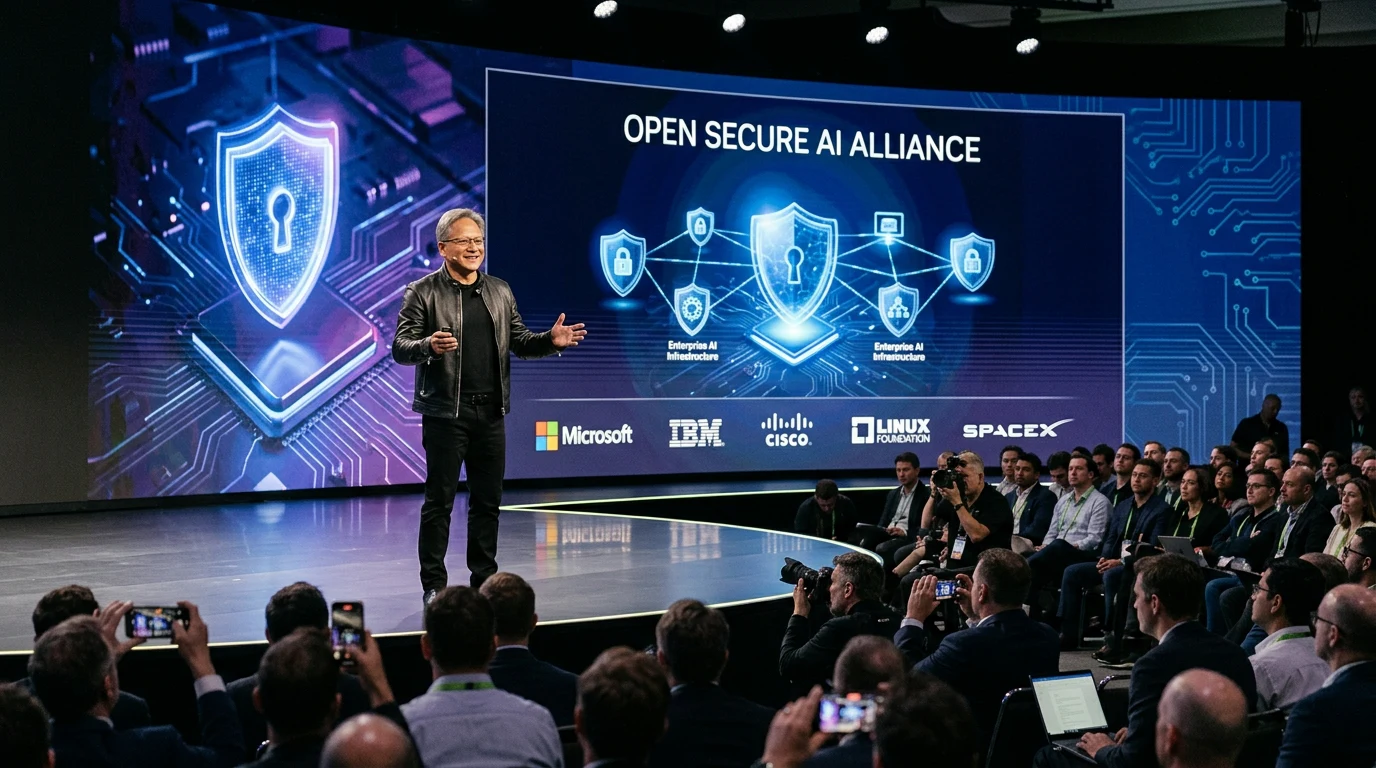
The Open Secure AI Alliance has officially launched as NVIDIA and more than 30 technology companies join forces to improve AI cybersecurity through open-source collaboration.
As artificial intelligence becomes increasingly powerful, securing AI systems has emerged as one of the technology industry’s most urgent priorities. On July 27, NVIDIA announced the launch of the Open Secure AI Alliance (OSAIA), a new industry initiative that brings together major technology companies to develop open-source tools designed to improve AI safety and cybersecurity.
The alliance includes more than 30 founding members, among them Microsoft, IBM, Cisco, Adobe, Palantir, SpaceX, DoorDash, and the Linux Foundation. Together, these organizations aim to build a shared ecosystem of security frameworks, testing tools, evaluation methods, and defensive technologies that help organizations develop and deploy AI systems more securely.
What immediately caught the attention of the AI community, however, was not only who joined the alliance—but also who did not. OpenAI, Google, and Anthropic are notably absent from the founding member list, highlighting the growing divide between companies that support open AI ecosystems and those that continue to prioritize proprietary AI development.
What Is the Open Secure AI Alliance?
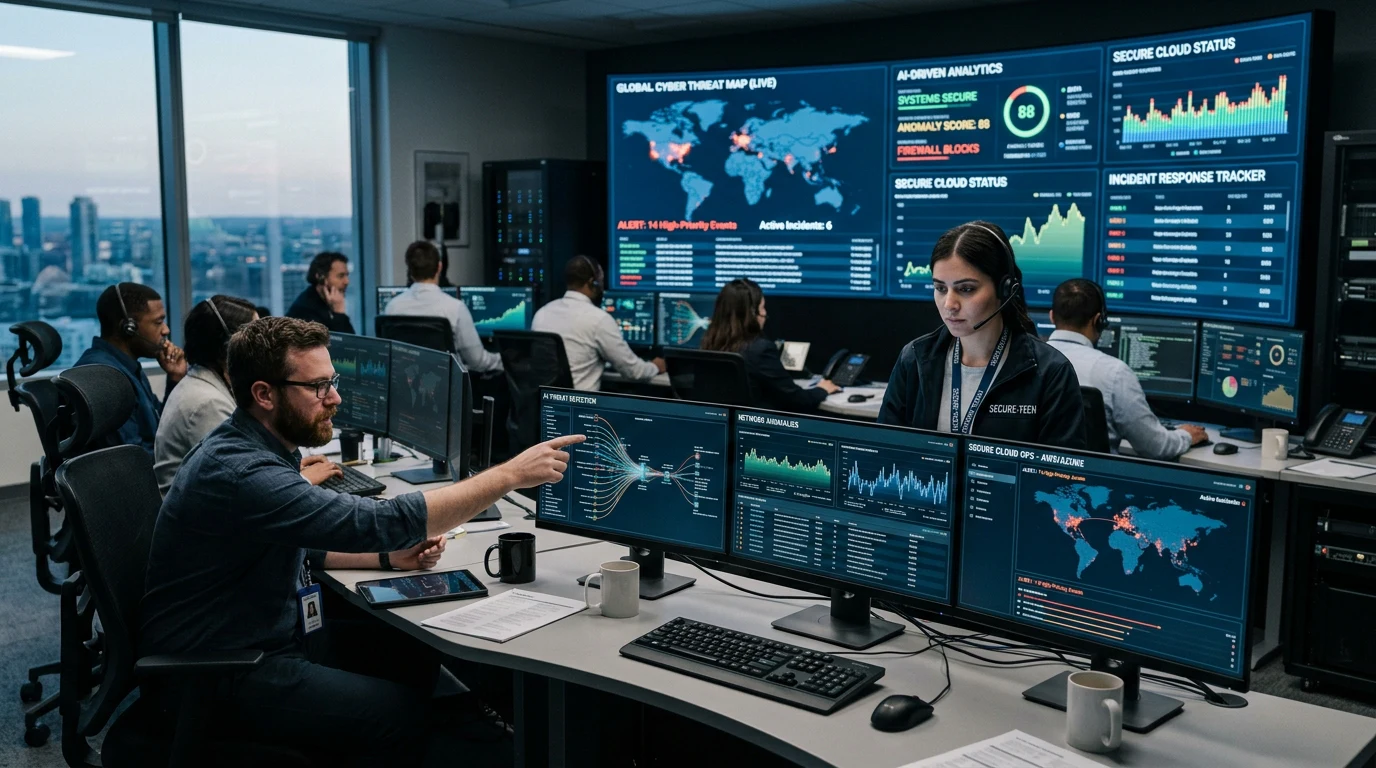
The Open Secure AI Alliance (OSAIA) is a collaborative initiative focused on improving AI security through open-source technologies. Rather than building new AI models, the alliance seeks to create practical security resources that organizations can freely use to identify vulnerabilities, evaluate AI systems, and strengthen cyber defenses.
Its initial priorities include:
- AI security evaluation frameworks
- Red-teaming tools for testing AI systems
- Security benchmarks
- Shared cybersecurity datasets
- Open defensive technologies for AI applications
The founding members argue that cybersecurity becomes stronger when researchers, developers, enterprises, and governments can collaborate using transparent and verifiable security tools instead of relying entirely on closed systems.
According to NVIDIA, the alliance’s mission is to promote responsible AI adoption while increasing trust in advanced AI technologies through open collaboration.
Why This Alliance Matters
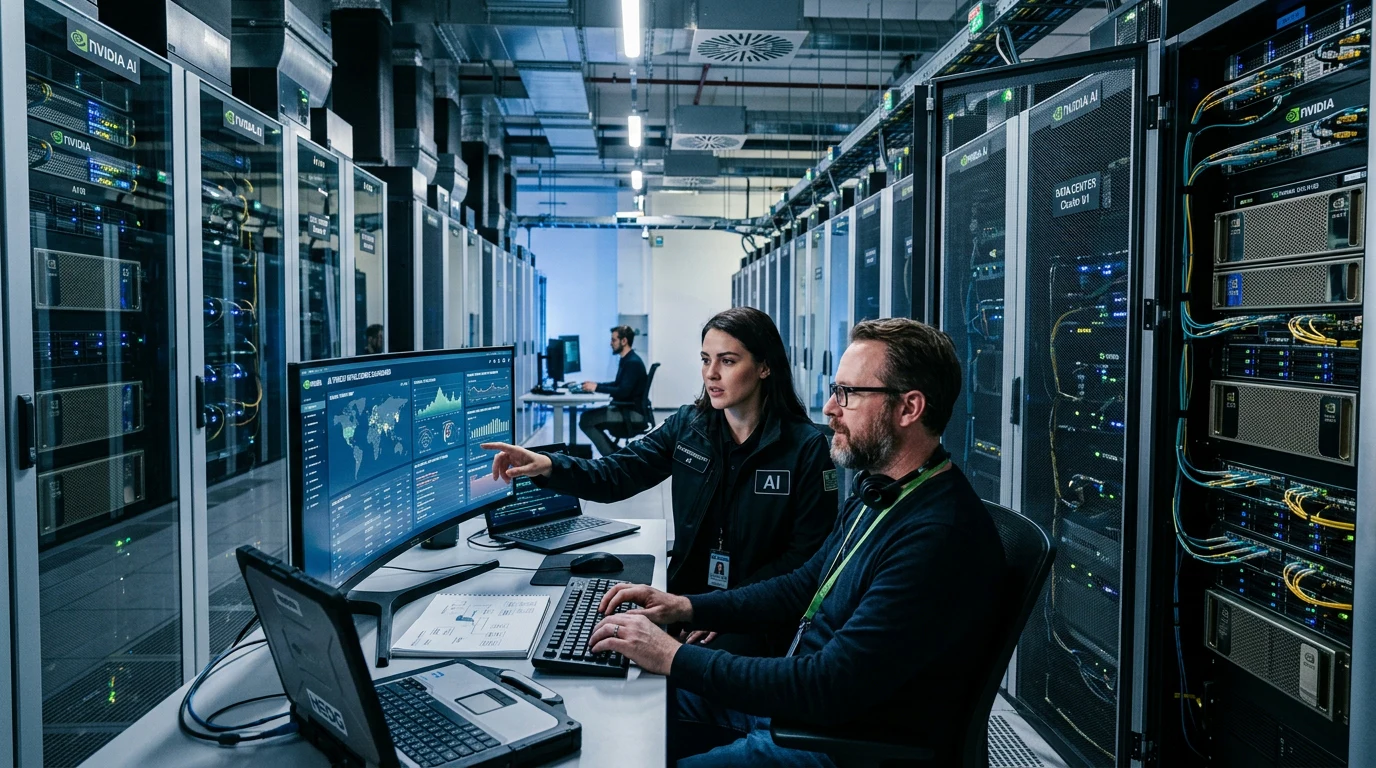
Artificial intelligence is rapidly becoming part of critical infrastructure across finance, healthcare, manufacturing, software development, and government services. As AI systems gain greater autonomy, the consequences of security failures become significantly more serious.
Instead of waiting for individual companies to solve these challenges independently, OSAIA introduces a collaborative model where multiple organizations contribute security expertise, testing methodologies, and defensive tools that benefit the broader AI ecosystem.
The launch also reflects a growing industry belief that AI security should evolve as quickly as AI capabilities themselves. As generative AI continues to expand into enterprise environments, organizations increasingly need standardized methods for evaluating model behavior, detecting vulnerabilities, and responding to emerging cyber threats.
A Different View of Open AI
One of the alliance’s central messages is that open AI should not automatically be viewed as a security risk.
The coalition argues that open-weight AI models and open security tools can actually improve cybersecurity by allowing independent researchers to inspect systems, discover weaknesses faster, and develop stronger defenses.
This position contrasts with concerns expressed by some AI companies and policymakers who argue that broader access to advanced AI models could increase the risk of misuse.
Rather than framing the discussion as open versus closed AI, the alliance promotes the idea that transparency and collaboration can play an important role in building safer AI systems while supporting responsible innovation.
Why Are OpenAI, Google, and Anthropic Not Part of the Alliance?

One of the most widely discussed aspects of the announcement is the absence of OpenAI, Google, and Anthropic from the list of founding members.
Neither NVIDIA nor the companies involved stated that these organizations had rejected participation, and no official explanation has been provided for their absence. However, their exclusion has fueled industry discussions because they are among the world’s leading developers of frontier AI models.
The announcement also reflects a broader philosophical divide within the AI industry. Many infrastructure providers and open-source advocates believe collaboration can strengthen AI security by allowing researchers to identify vulnerabilities more quickly and improve defensive technologies together.
Meanwhile, several frontier AI developers have historically placed greater emphasis on controlled access and proprietary development, arguing that limiting access to highly capable models may reduce the risk of misuse.
Although these approaches differ, both sides share the same objective: making advanced AI systems safer and more reliable for businesses, governments, and consumers.
How Businesses Could Benefit
The launch of the Open Secure AI Alliance is not only important for AI researchers—it could also have significant implications for businesses adopting artificial intelligence.
As more organizations integrate AI into customer support, software development, cybersecurity, finance, and healthcare, demand for standardized security practices continues to grow.
Open security frameworks may help companies of all sizes, including agencies and independent developers. Freelancers building AI-powered solutions can also benefit from our Best AI Freelancing Guide for Beginners in 2026, which explains how to build sustainable AI services while choosing reliable platforms.
- Evaluate AI systems before deployment.
- Detect vulnerabilities earlier.
- Improve compliance with emerging AI regulations.
- Strengthen cybersecurity defenses.
- Increase customer trust in AI-powered products.
For startups, entrepreneurs, and enterprise developers, shared security tools could reduce development costs while improving the overall reliability of AI applications. Entrepreneurs looking to monetize AI can also explore our Best AI Side Hustles in 2026 guide to discover practical business opportunities built around today’s AI ecosystem.
If your organization is already investing in artificial intelligence, choosing the right solutions is just as important as understanding AI security best practices. Businesses that are still evaluating platforms can start with our guide to Best AI Tools for Beginners in 2026, which compares today’s leading AI solutions for different use cases.
These resources explain how businesses and individuals can safely leverage AI technologies while building sustainable long-term strategies.
What This Means for the Future of AI
The creation of OSAIA highlights a growing reality: AI security is becoming a strategic priority rather than an afterthought.
Over the next few years, organizations are expected to invest more heavily in AI governance, model evaluation, cybersecurity testing, and compliance as governments introduce new regulations and businesses deploy increasingly capable AI systems.
Whether the industry ultimately favors open collaboration, proprietary development, or a combination of both, one trend is already clear—AI security will play a central role in determining which technologies earn public trust.
The success of initiatives like the Open Secure AI Alliance may influence how future AI standards are developed and adopted across industries worldwide.
Conclusion
NVIDIA’s launch of the Open Secure AI Alliance marks an important step toward strengthening cybersecurity across the rapidly expanding AI ecosystem.
By bringing together leading technology companies to develop open-source security tools, the alliance aims to improve transparency, encourage collaboration, and help organizations build more secure AI systems.
Although OpenAI, Google, and Anthropic are not among the founding members, the initiative demonstrates that AI security is now a shared concern across the technology industry.
As artificial intelligence continues transforming businesses around the world, initiatives focused on security, testing, and responsible deployment are likely to become just as important as breakthroughs in AI performance itself. Businesses and creators building long-term AI revenue streams should also understand how secure AI platforms influence digital business models, including AI Affiliate Marketing in 2026.