
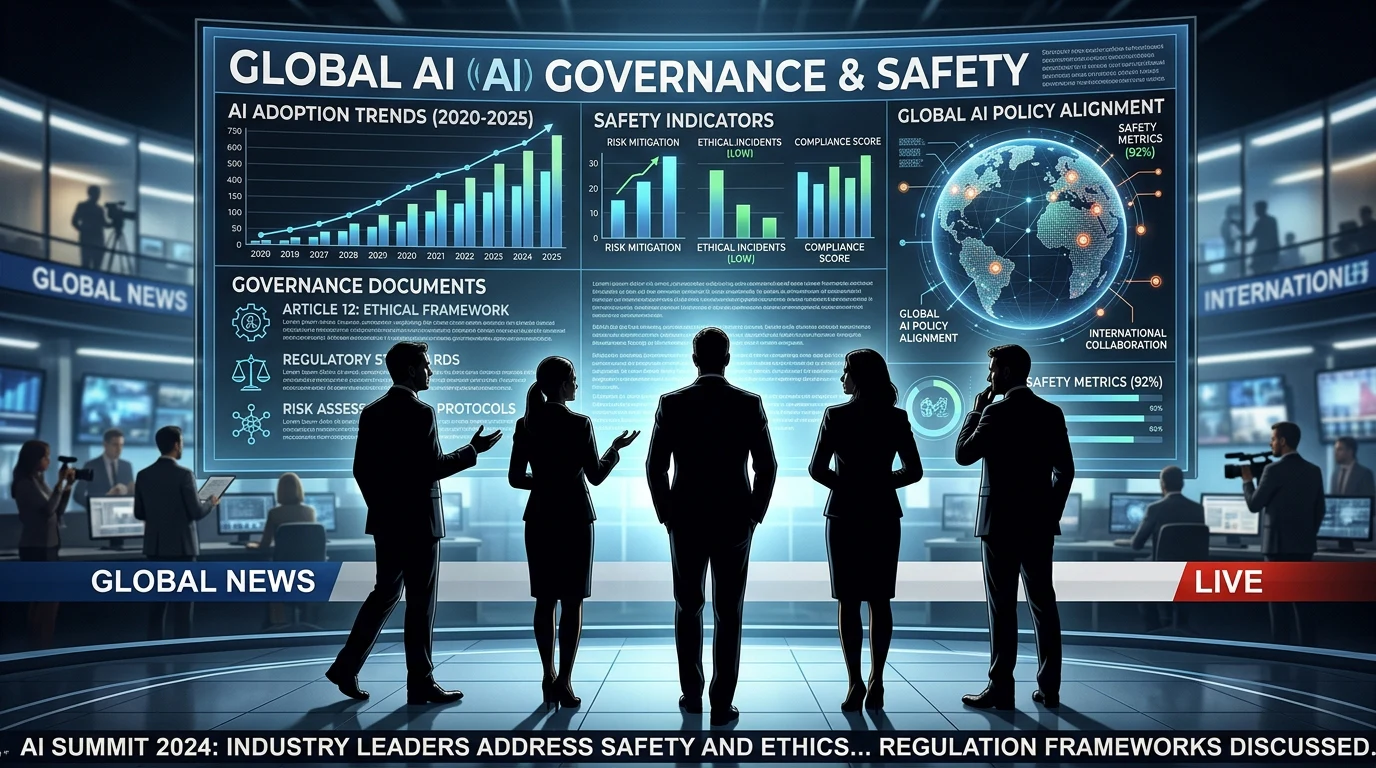
AI Safety Commitments in 2026: Big Tech Faces New Questions
Artificial intelligence companies have spent the past few years assuring governments, businesses, and consumers that safety remains a top priority. However, a new report suggests that some of the industry’s biggest players may be stepping back from earlier AI Safety Commitments as the global AI race intensifies.
According to reporting from Axios and findings published by the Future of Life Institute (FLI), several major AI companies have modified or weakened parts of their public safety commitments. The report argues that voluntary promises made by leading AI labs are becoming less prominent at a time when AI systems are becoming increasingly powerful and widely used.
The findings come as businesses around the world continue to adopt AI tools for productivity, automation, and content creation. Professionals exploring the Best AI Tools for Beginners in 2026: Free & Paid Tools to Make Money Online are increasingly relying on platforms developed by the same companies now facing questions about their long-term safety commitments.
What the New AI Safety Commitments Report Says

The Future of Life Institute’s latest report examines how leading AI companies communicate and implement their safety frameworks, raising new questions about the future of AI safety commitments across the industry. According to the organization, several companies have changed aspects of their public commitments, particularly regarding how they evaluate risks and define potentially dangerous AI capabilities. The report suggests that these changes could make it more difficult for researchers, regulators, and businesses to understand the conditions under which companies would slow or limit the development of advanced AI systems.
The report also raises concerns about transparency, arguing that some safety frameworks have become increasingly difficult for outsiders to evaluate. As a result, the debate over AI safety commitments is intensifying, with some experts calling for clearer standards and greater public accountability from the companies building the world’s most powerful AI models.
Another area highlighted in the report involves policies related to military applications of artificial intelligence. According to the institute, some companies have updated their policies in ways that have sparked fresh debates about how advanced AI systems could be used in defense and national security. These policy changes have renewed concerns among researchers and policymakers who believe that strong AI safety commitments are becoming more important as artificial intelligence continues to expand into increasingly sensitive areas.
Which AI Companies Are Mentioned?
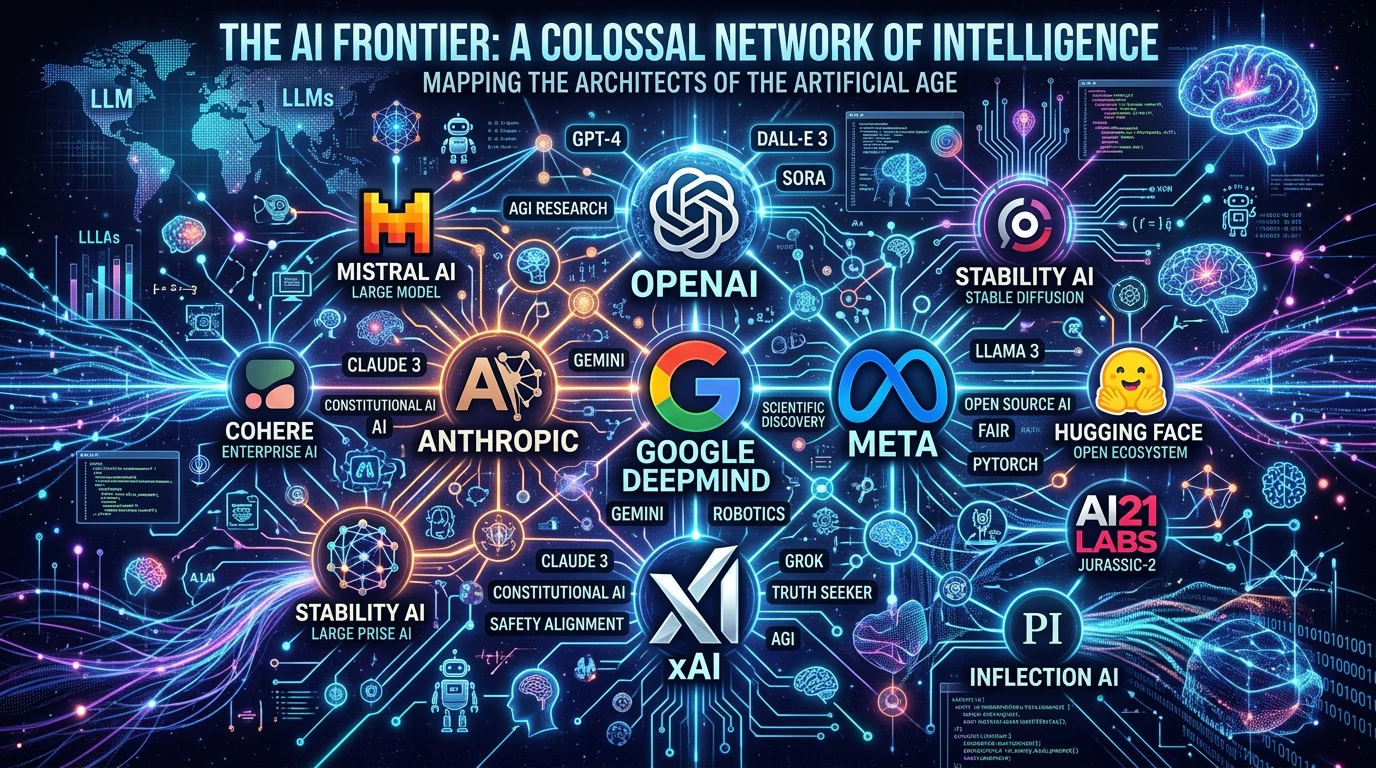
The report discusses several major AI developers, including OpenAI, Anthropic, Google DeepMind, Meta, xAI, Mistral, and other organizations involved in advanced AI research.
The institute’s analysis suggests that companies vary significantly in how they approach transparency, risk assessments, and public safety commitments. However, the report does not claim that these organizations have abandoned AI safety altogether.
Instead, it argues that there is a growing gap between earlier public commitments and current policies, a trend that could become increasingly important as more businesses and consumers depend on advanced AI systems.
For entrepreneurs exploring the Best AI Side Hustles in 2026: 15 Real Ways to Make Money with AI, the debate is more than a policy issue. The stability and reputation of AI platforms can directly influence businesses built on top of these technologies.
Why AI Safety Commitments Matter More Than Ever
Artificial intelligence is now deeply integrated into modern business operations. Companies use AI to automate customer service, generate content, write software code, analyze data, and improve productivity.
Researchers have frequently pointed to risks such as:
- Misinformation and synthetic media.
- Cybersecurity threats.
- Bias and discrimination.
- Lack of transparency.
- Misuse of highly capable AI systems.
For freelancers and independent professionals following the Best AI Freelancing Guide for Beginners in 2026: Earn Money with AI, trust in AI platforms has become increasingly important.
The Industry’s Response
AI companies have repeatedly stated that safety remains a central priority.
Many organizations continue to invest in:
- AI alignment research.
- Security testing.
- Model evaluations.
- Red teaming initiatives.
- Responsible AI policies.
Some companies argue that safety frameworks naturally evolve as researchers gain a better understanding of advanced AI systems, while others believe stronger regulatory oversight may eventually become necessary.
Why This Story Matters for Businesses
For business owners, developers, and investors, the report serves as a reminder that AI governance is becoming increasingly important.
Changes in industry standards or future regulations could affect:
- Enterprise AI adoption.
- Compliance requirements.
- Product development strategies.
- Investment decisions.
- Customer trust.
The issue also matters for entrepreneurs exploring AI Affiliate Marketing in 2026: Complete Beginner’s Guide to Making Passive Income with AI. The long-term success of AI-driven businesses depends not only on innovation but also on public trust and regulatory stability.
The Bigger Picture: Can the AI Industry Regulate Itself?
The report has reignited a broader debate: Can companies developing the world’s most advanced AI systems effectively regulate themselves? The question has become increasingly important as artificial intelligence moves deeper into business operations, scientific research, and critical infrastructure around the world.
Some experts believe voluntary commitments are an important first step, but they argue that AI safety commitments alone may not be enough as AI systems become more powerful and economically significant. Others warn that overly restrictive regulations could slow innovation, reduce competitiveness, and make it harder for companies to develop new technologies that could benefit businesses and consumers.
As governments around the world increase their focus on AI governance, companies may face growing pressure to provide greater transparency and stronger safety guarantees. The ongoing debate over AI safety commitments is likely to shape future regulations, influence public trust in artificial intelligence, and determine how the next generation of advanced AI systems is developed and deployed.
Conclusion
The latest findings from the Future of Life Institute and the reporting by Axios have placed AI safety back at the center of the global technology conversation.
Whether the concerns raised in the report ultimately lead to new regulations or changes in corporate policies remains uncertain. However, as artificial intelligence continues to transform industries and societies, the debate over safety, accountability, and governance is only beginning.
Sources
- Axios – Reporting on changes to public AI safety commitments among major technology companies.
- Future of Life Institute – AI Safety Index and related research on AI governance and safety frameworks.