
Huge AI Shift: Anthropic’s Samsung Chip Deal Could Reduce NVIDIA’s Dominance 2026
Artificial intelligence companies are no longer competing only on models—they’re increasingly competing on the hardware that powers them.
Anthropic, the company behind Claude, is reportedly in early discussions with Samsung about developing a custom AI chip. While the project is still in its early stages and no agreement has been finalized, the move reflects a broader shift across the AI industry: leading AI companies want greater control over the infrastructure behind their models.
“If you’re just getting started with artificial intelligence, our guide to the Best AI Tools for Beginners in 2026 explores the platforms shaping today’s AI landscape.”
For businesses, developers, and investors, this could become one of the most important trends shaping the future of artificial intelligence.
Anthropic Is Reportedly Considering Custom AI Hardware
According to reports, Anthropic has been exploring the development of its own AI chip and has held talks with Samsung as a potential manufacturing partner. The discussions remain preliminary, and several key details—including the chip’s exact purpose, performance targets, and deployment strategy—have not yet been finalized.
Anthropic has not officially announced a custom chip program. When asked about the reports, the company reiterated that its compute strategy continues to rely on a diversified hardware stack that includes chips from NVIDIA, Google, and Amazon, without confirming additional details about Samsung.
That cautious response suggests the company is keeping its options open while evaluating future infrastructure needs.
Why AI Companies Want Their Own Chips
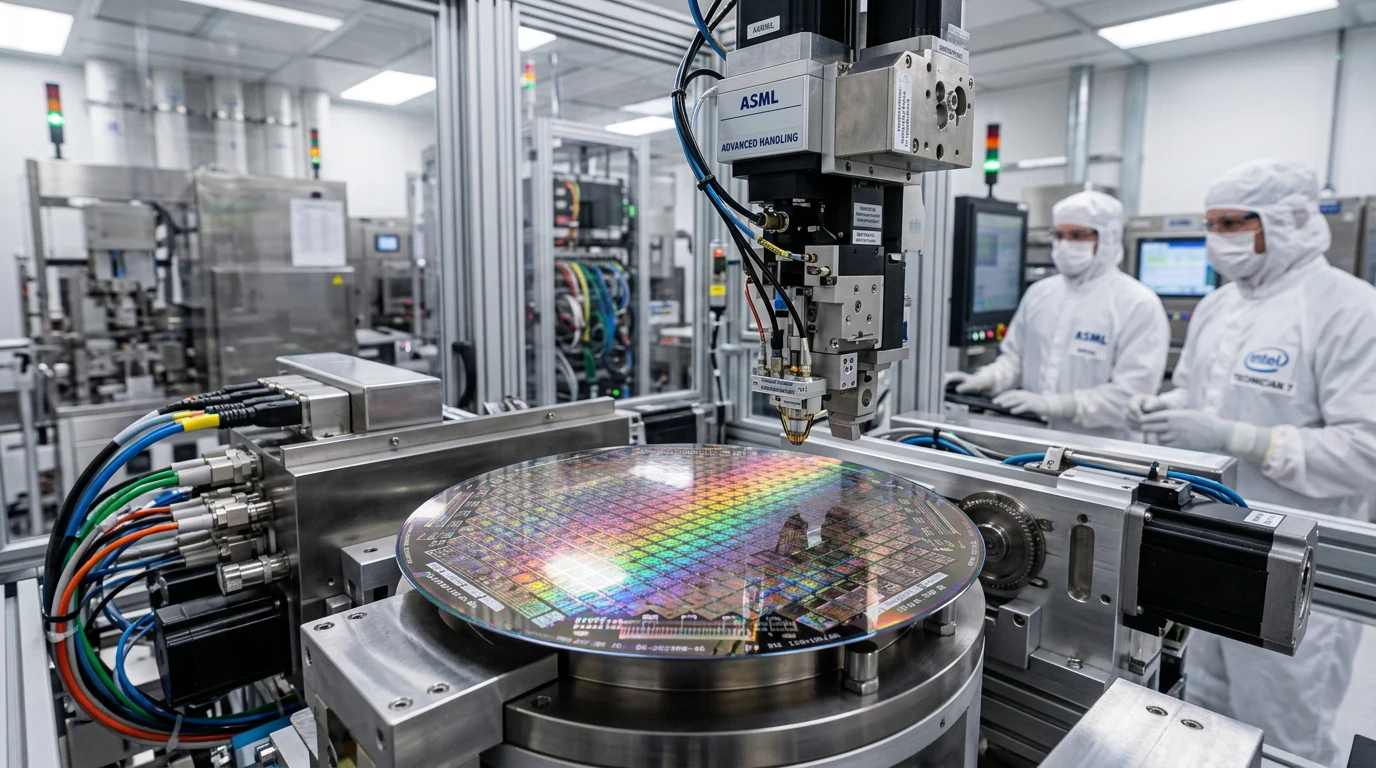
Building frontier AI models requires enormous computing resources.
Today, most leading AI labs depend heavily on NVIDIA GPUs for both training and inference. While NVIDIA remains the market leader, the explosive growth of AI has made access to high-performance chips increasingly expensive and highly competitive.
Custom AI chips offer several potential advantages:
- Lower long-term infrastructure costs
- Better performance for specific AI workloads
- Reduced dependence on third-party suppliers
- Improved energy efficiency
- Greater control over future AI infrastructure
Rather than replacing GPUs entirely, custom silicon is often designed to optimize particular workloads, especially AI inference—the process of running trained models for millions of users.
Anthropic Joins an Industry-Wide Trend
Anthropic would not be alone in pursuing custom hardware.
Across the industry, major technology companies have been investing heavily in proprietary AI chips:
- OpenAI
- Amazon
- Microsoft
The common goal is simple: reduce costs while improving scalability for increasingly demanding AI applications.
Why Samsung Could Benefit
Samsung has been working to expand its advanced semiconductor manufacturing business.
Winning a major AI customer like Anthropic would strengthen Samsung’s position in the rapidly growing AI chip market and could help it compete more aggressively for high-end semiconductor manufacturing contracts.
If a partnership eventually moves forward, it would represent another significant milestone for Samsung’s foundry ambitions.
What This Means for Claude Users
For everyday Claude users, nothing changes immediately.
The reported discussions are still at an early stage, and Anthropic has not announced any timeline for developing or deploying custom processors.
However, over the long term, specialized AI hardware could potentially lead to:
- Faster response times
- Lower operating costs
- Improved scalability
- More efficient deployment of future Claude models
These benefits remain speculative until Anthropic formally announces a hardware roadmap.
“Lower AI infrastructure costs could eventually make advanced AI tools more affordable for freelancers and entrepreneurs exploring AI side hustles.”
The Bigger Picture: AI Is Becoming an Infrastructure Business
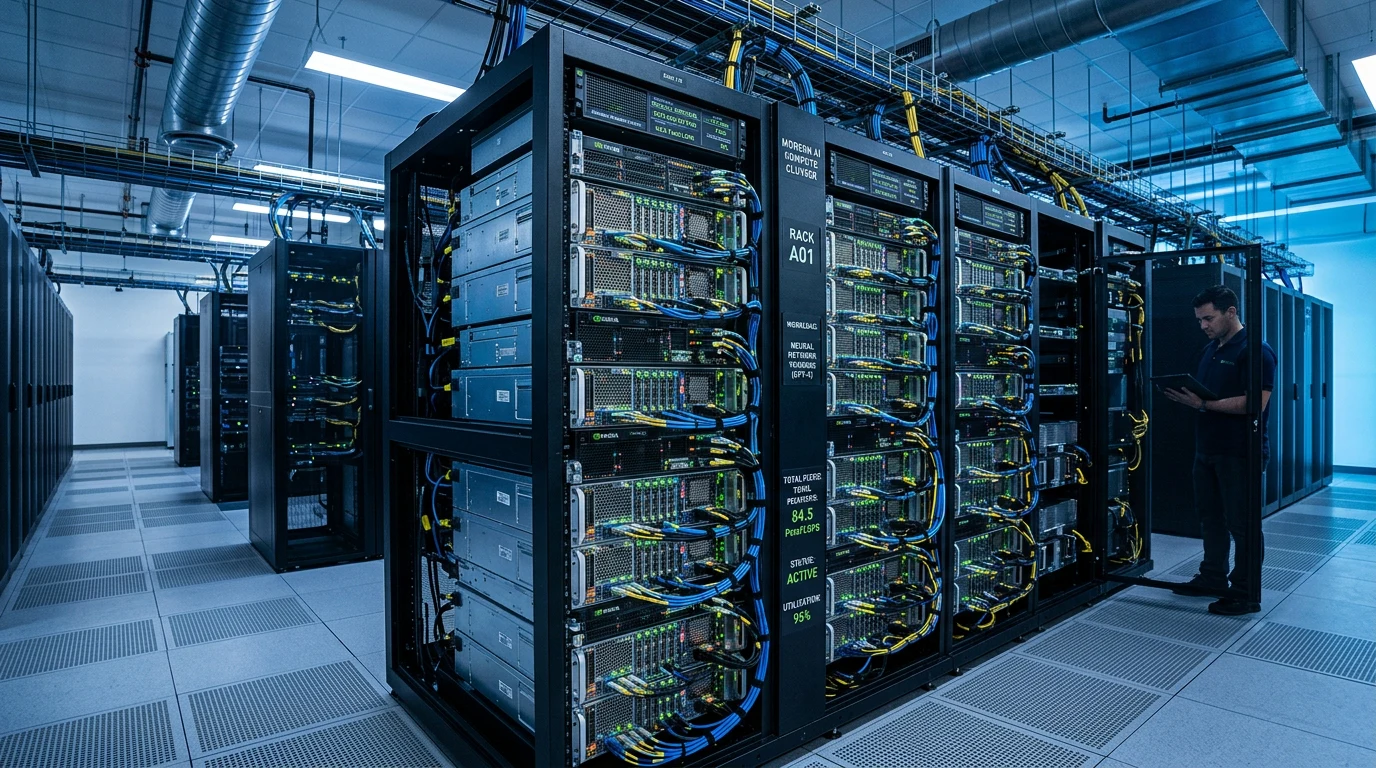
The AI race is no longer focused solely on building smarter language models.
Increasingly, competitive advantage depends on who controls the underlying compute infrastructure.
As AI adoption grows across enterprises and consumer products, infrastructure costs have become one of the industry’s largest challenges. Companies that successfully optimize their hardware could gain meaningful advantages in pricing, performance, and long-term profitability.
Anthropic’s reported talks with Samsung illustrate how the next phase of AI competition may be driven as much by silicon as by software.
What Happens Next?
At this stage, several important questions remain unanswered:
- Will Anthropic ultimately build its own AI chip?
- Will Samsung become its manufacturing partner?
- What workloads would the chip target?
- When could custom hardware enter production?
Because discussions remain preliminary, it’s possible that no formal partnership will emerge. For now, the reports indicate only that Anthropic is exploring its options as it looks toward the next generation of AI infrastructure.
Conclusion
Whether or not Anthropic ultimately launches its own AI chip, the reported Samsung discussions reinforce a clear industry trend: frontier AI companies are investing beyond software and into custom hardware.
As competition intensifies and demand for AI computing continues to surge, owning more of the technology stack—from models to silicon—may become one of the biggest strategic advantages in artificial intelligence.
For businesses following the AI market, this is a development worth watching closely.